
Why Shops Lose Money Due to Poor Stock Tracking
Why Shops Lose Money Due to Poor Stock Tracking
Many shop owners believe losses happen only because of low sales or high competition. In reality, a silent money leak affects thousands of small shops every month — poor stock tracking.
Most losses don’t happen at the counter; they happen behind the shelves.
This blog explains why shops lose money due to poor stock tracking, how it affects daily profits, and what small shops in India can do to fix it without complexity.
Table of Contents
What Is Stock Tracking (And Why It Matters)?
Stock tracking means:
- Knowing how much stock you have
- Knowing what is selling
- Knowing what is missing, expired, or damaged
- Knowing when to reorder
Without proper tracking, stock becomes guesswork, and guesswork always costs money.

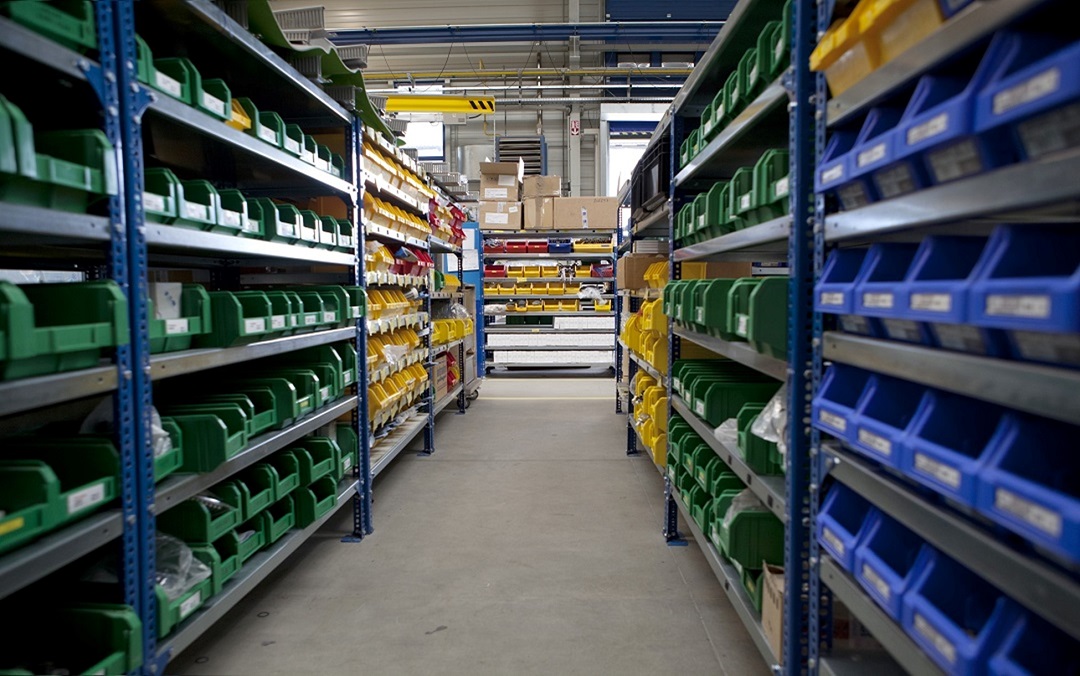
1. Money Gets Blocked in Dead Stock
❌ What Goes Wrong
When stock is not tracked properly:
- Slow-moving items pile up
- Old stock sits on shelves
- Capital gets stuck
Shop owners keep buying new items without realizing existing ones aren’t selling.
💸 How Money Is Lost
- Cash flow reduces
- Storage space fills up
- Old stock expires or becomes unsellable
This is one of the biggest hidden losses in small shops.
2. Frequent “Out of Stock” Situations
❌ What Goes Wrong
Without tracking:
- Fast-selling items finish suddenly
- Shop owner notices only after customers ask
- Emergency purchasing happens
💸 How Money Is Lost
- Immediate lost sales
- Customers go to nearby shops
- Regular customers don’t return
Every “item nahi hai” moment is money walking out of your shop.
3. Buying Based on Guesswork Instead of Data
❌ What Goes Wrong
Many shop owners buy stock based on:
- Memory
- Supplier suggestions
- Fear of shortage
💸 How Money Is Lost
- Overstocking poor-selling items
- Understocking fast-moving items
- Increased wastage
Buying without data creates imbalance and loss.
4. Missing, Damaged, or Expired Items Go Unnoticed
❌ What Goes Wrong
Without stock tracking:
- Expired items stay on shelves
- Damaged items mix with sellable stock
- Missing stock is never identified
💸 How Money Is Lost
- Unsellable stock counted as “available”
- Losses discovered too late
- No accountability

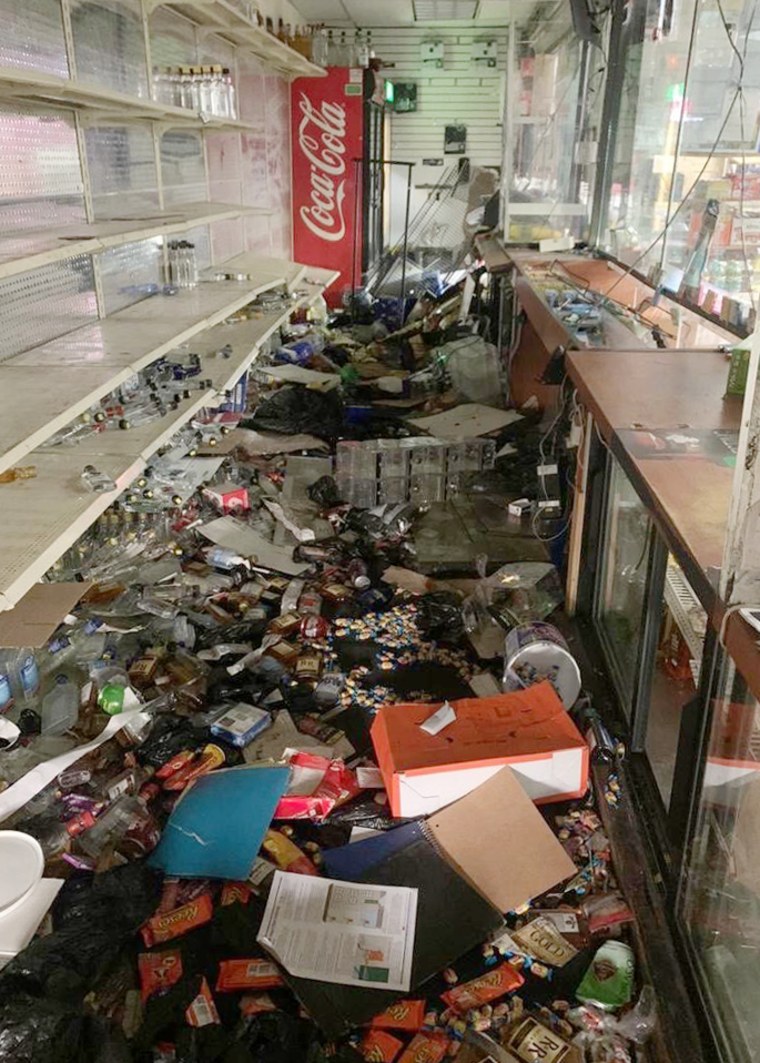
5. Manual Stock Registers Are Rarely Updated
❌ What Goes Wrong
Manual records:
- Are updated irregularly
- Miss sales during rush hours
- Don’t reflect real-time stock
💸 How Money Is Lost
- Paper records don’t match reality
- Owner trusts wrong numbers
- Wrong reordering decisions
Outdated records are as dangerous as no records.
6. Stock Shrinkage Goes Undetected
❌ What Goes Wrong
Shrinkage includes:
- Theft
- Billing mistakes
- Free items given unintentionally
Without tracking, it’s impossible to know where stock is leaking.
💸 How Money Is Lost
- Regular small losses
- No accountability
- Profits slowly disappear
7. Billing and Stock Are Not Connected
❌ What Goes Wrong
In many small shops:
- Billing happens manually
- Stock is adjusted later (or never)
This gap creates major inconsistencies.
💸 How Money Is Lost
- Sold items remain counted as stock
- Stock appears available but isn’t
- Ordering decisions fail
This is one of the most common causes of stock confusion.
8. How Some Shops Quietly Fix This Problem
Most successful small shops don’t use complex inventory systems. They simply connect stock with billing, so stock updates automatically whenever a sale happens.
Lightweight POS systems like Sellbii POS are designed for this exact purpose. They help shop owners:
- Auto-reduce stock when a bill is generated
- Identify fast- and slow-moving products
- Avoid manual stock deductions
- See clear inventory status anytime
This doesn’t feel like “advanced inventory management” — it just prevents silent losses.
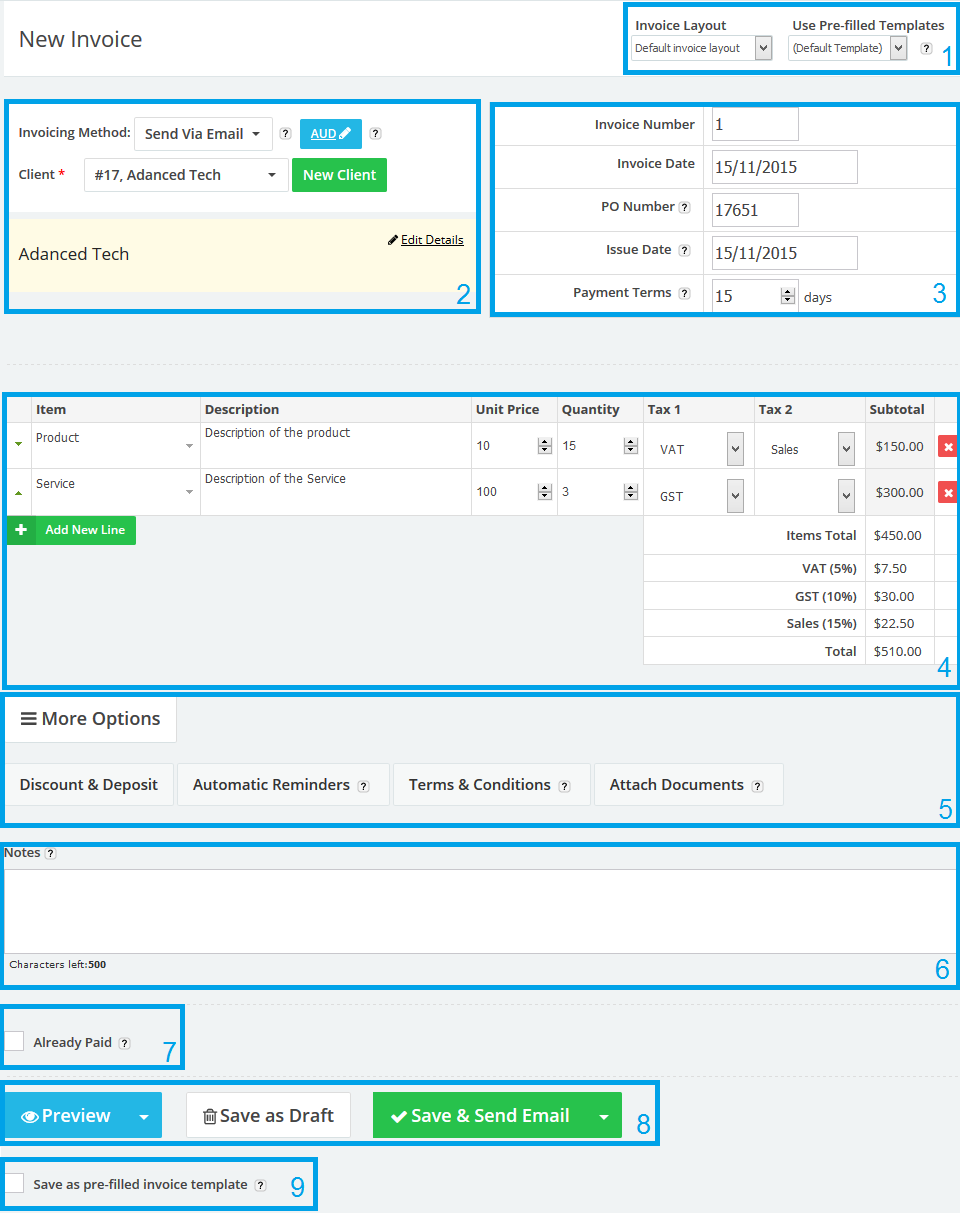
Insight: Most shop owners discover stock losses only after switching to organized stock tracking.
9. No Clear Inventory = No Clear Profit
If stock data is wrong:
- Profit calculation is unreliable
- Monthly numbers don’t make sense
- Growth planning becomes risky
Accurate stock tracking is directly linked to accurate profit tracking.
10. Poor Stock Tracking Blocks Business Growth
Businesses with unclear inventory:
- Fear expansion
- Avoid adding products
- Stay stuck at the same level
Businesses with clear stock:
- Buy confidently
- Reduce waste
- Grow steadily
How Poor Stock Tracking Affects Small Shops in India
In India, small shops face:
- Thin margins
- High competition
- Limited storage
Poor stock tracking hurts even more because:
- Wastage directly hits profit
- Missed sales are hard to recover
- Capital is limited
That’s why clarity matters more than quantity.
Poor Stock Tracking vs Organized Stock Tracking
| Area | Poor Tracking | Organized Tracking |
|---|---|---|
| Dead stock | High | Low |
| Missed sales | Frequent | Rare |
| Wastage | High | Controlled |
| Profit clarity | Confusing | Clear |
| Growth | Stuck | Scalable |
Simple Signs You’re Losing Money Due to Stock Tracking ❗
- You don’t know exact stock levels
- Fast items finish unexpectedly
- Old stock keeps increasing
- Cash is blocked in inventory
- Profits feel lower than sales
If 2–3 signs match, losses are already happening.
Final Thoughts
Poor stock tracking doesn’t cause a big loss overnight—it causes small losses every day, which silently add up. Most shop owners realize this only after correcting their stock system.
Remember:
📦 Untracked stock = hidden loss
📊 Clear inventory = protected profit
🏪 Organized shops grow faster
Fixing stock tracking doesn’t require complexity—only clarity, consistency, and the right tools.