
Dead Stock: How to Identify and Clear It 2026
Dead Stock: How to Identify and Clear It
Dead stock is one of the biggest silent profit killers in small shops. Many shop owners don’t even realize how much money is blocked on shelves in the form of unsold products. While sales look normal from outside, cash flow remains tight because dead stock quietly eats working capital.
This blog explains what dead stock is, how to identify it, and practical ways to clear dead stock—especially for small shops and retailers in India.
Table of Contents
What Is Dead Stock?
Dead stock refers to products that:
- Have not sold for a long time
- Occupy shelf or storage space
- Block money without generating revenue
Dead stock is not “extra stock”—it’s stock that no longer works for your business.
Why Dead Stock Is Dangerous for Small Shops
Dead stock causes:
- Money blockage
- Reduced cash flow
- Storage congestion
- Expired or damaged products
- Confusion in stock planning
Even if sales are happening, too much dead stock means your money is sleeping instead of earning.
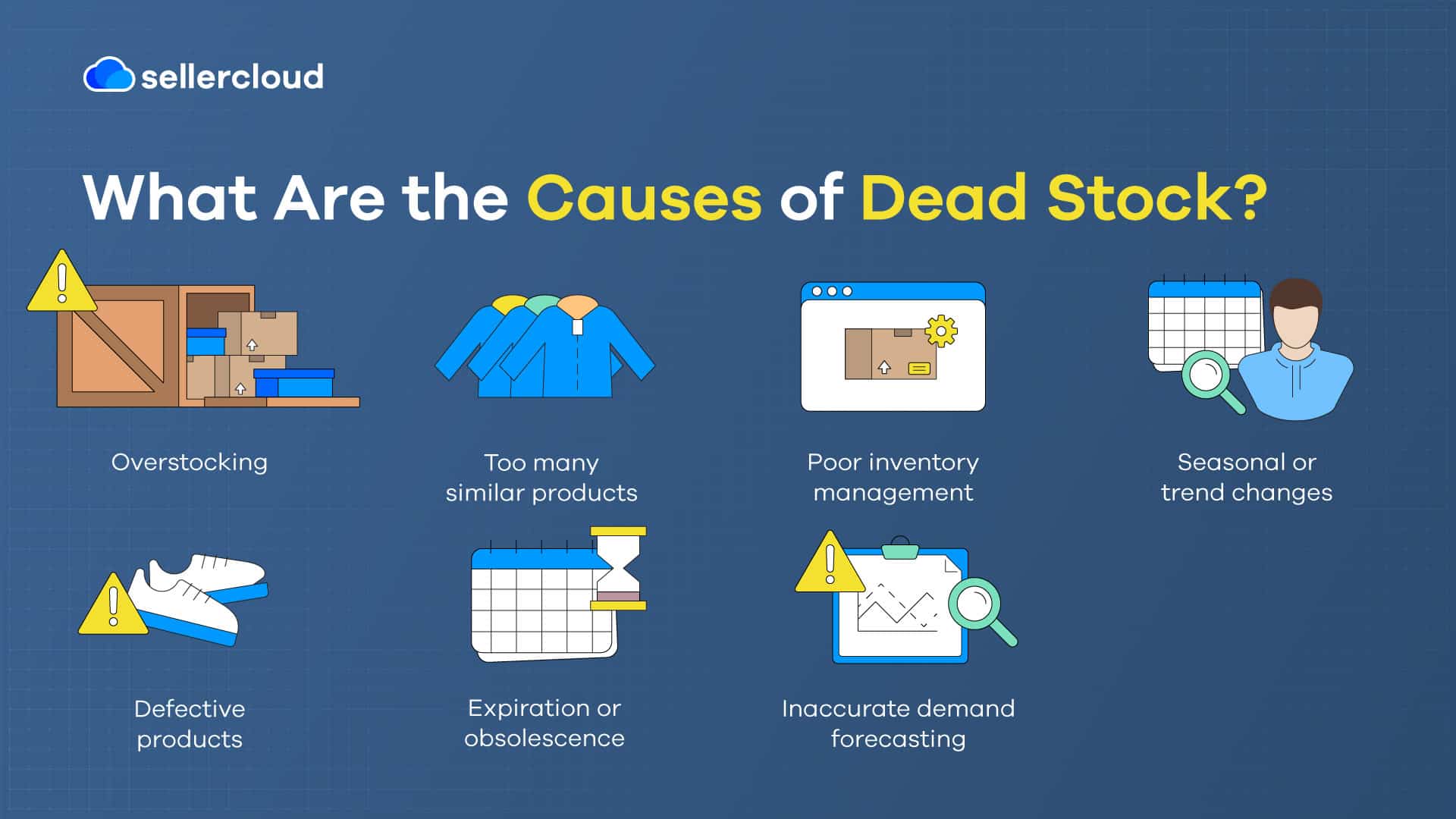
How Dead Stock Builds Up (Common Reasons)
Dead stock usually forms because of:
- Buying without sales data
- Overstocking “just in case”
- Following supplier suggestions blindly
- Seasonal products not cleared on time
- No regular stock review
Dead stock rarely appears suddenly—it grows slowly and quietly.
1. How to Identify Dead Stock (Very Important)
🔍 Check Stock Age
Ask yourself:
- Which products haven’t moved in 30–60–90 days?
- Which items are always dusty or untouched?
If an item hasn’t sold in 2–3 months, it’s a strong dead stock signal.
2. Identify Products That Never Get Reordered
Fast-moving products need frequent reordering.
Dead stock products:
- Never go out of stock
- Never need reordering
- Stay in the same quantity
If you haven’t reordered an item in months, it’s probably dead stock.
3. Compare Shelf Space vs Sales Contribution
Some products:
- Occupy large shelf space
- Contribute very little to sales
These items look “important” but don’t justify the space they take.
Dead stock wastes both money and space.
4. Check Expiry Dates and Seasonal Products
Common dead stock examples:
- Expired food or medicine
- Old fashion items
- Seasonal products after season ends
Expired or outdated products are 100% dead stock—they must be removed immediately.

5. Stop Relying on Memory to Identify Dead Stock
Memory can be misleading.
What feels like a slow item may actually sell occasionally—and what feels like a “good product” might not sell at all.
This is why many shop owners now rely on item-wise sales data instead of assumptions.
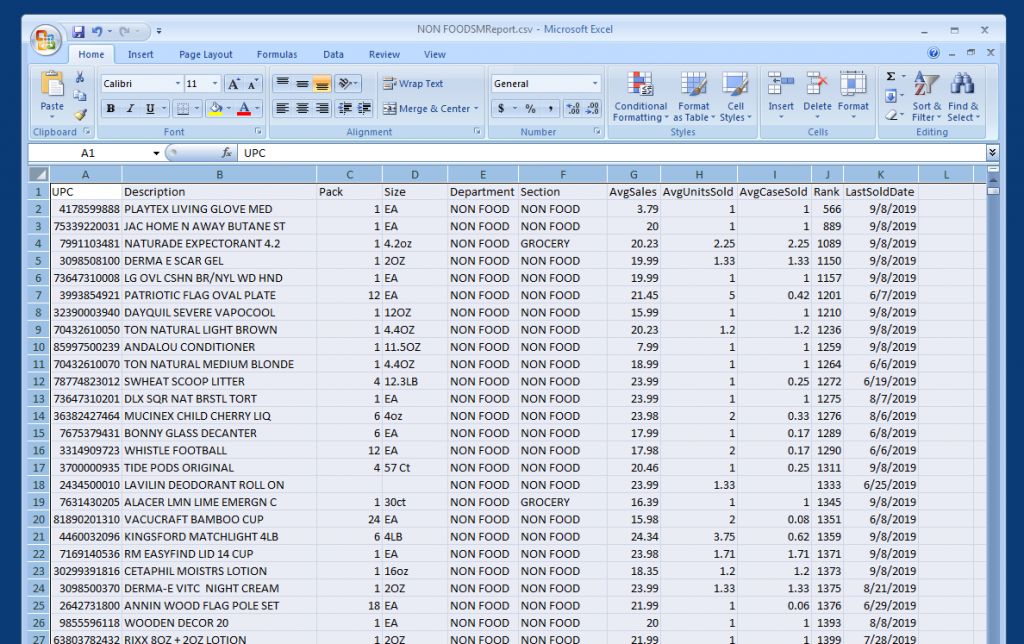
6. Use Sales Data to Identify Dead Stock (Smart Method)
The fastest way to identify dead stock is to check item-wise sales reports.
When billing and stock are connected:
- You can see which items sold in the last 30–60–90 days
- You can spot zero-sale items easily
- Decisions become data-driven
Lightweight POS systems like Sellbii POS help shop owners by:
- Showing fast- and slow-moving products clearly
- Automatically tracking item-wise sales
- Removing guesswork from stock decisions
This doesn’t complicate things—it simply shows the truth.


Insight: Shops that see dead stock clearly recover blocked money faster.
How to Clear Dead Stock (Practical & Safe Ways)
Identifying dead stock is only half the job—clearing it correctly matters even more.
7. Offer Controlled Discounts (Not Blind Discounts)
Instead of heavy random discounts:
- Give small bundled offers
- Offer “Buy 1 Get 1” on dead items
- Combine dead stock with fast movers
This clears stock without damaging your pricing image.
8. Push Dead Stock Through Visibility
Often, dead stock sells when customers notice it.
Try:
- Moving it to eye-level shelves
- Placing it near the billing counter
- Highlighting as “value pick”
Low visibility = low sales.
9. Return or Exchange with Suppliers (If Possible)
Some suppliers allow:
- Partial returns
- Exchanges with fast-moving items
Even recovering part of the money is better than letting stock die completely.
10. Use Dead Stock for Promotions or Freebies
Dead stock can be used smartly:
- As free gifts on minimum purchase
- As loyalty rewards
- As festival offers
This converts dead stock into customer goodwill.
11. Remove Truly Dead Stock from Active Inventory
If an item is:
- Expired
- Damaged
- Obsolete
Remove it from active stock immediately.
Keeping unsellable items creates false stock numbers and wrong decisions.
How to Prevent Dead Stock in the Future
Prevention is more powerful than cleaning.
Follow these rules:
- Review stock monthly
- Buy based on sales data
- Limit “experiment products”
- Track fast vs slow-moving items
- Avoid emotional buying
Shops that control dead stock keep cash flowing smoothly.
Dead Stock vs Healthy Stock (Quick Comparison)
| Factor | Dead Stock | Healthy Stock |
|---|---|---|
| Cash flow | Blocked | Active |
| Shelf space | Wasted | Optimized |
| Sales | Rare | Frequent |
| Reordering | Never | Regular |
| Profit impact | Negative | Positive |
Signs You Have Too Much Dead Stock ⚠️
- Cash shortage despite sales
- Stock room always full
- Same items seen for months
- Frequent expiries
- Confusion during reordering
If 2–3 signs apply, dead stock is already hurting profits.
Final Thoughts
Dead stock is not just unsold inventory—it is blocked opportunity. Identifying and clearing dead stock frees cash, improves clarity, and gives you control over your business again.
Remember:
📦 Dead stock blocks money
📊 Clear data reveals problems
🏪 Healthy stock grows businesses
Once you start managing dead stock properly, your shop will feel lighter, faster, and more profitable.