
How to Know Which Products Sell the Most 2026
How to Know Which Products Sell the Most
One of the biggest secrets behind successful shops is knowing exactly which products sell the most. Shop owners who understand this never struggle with stock confusion, cash blockage, or unsold items. On the other hand, shops that sell blindly often lose money without realizing why.
This blog explains how to know which products sell the most, using simple, practical methods that work perfectly for small shops and retailers in India.
Table of Contents
Why Knowing Top-Selling Products Is So Important
When you know your best-selling products, you can:
- Stock the right items
- Avoid dead stock
- Increase profits without increasing effort
- Use shelf space smartly
- Grow faster with less risk
Many shops fail not because sales are low—but because they don’t know what actually sells.
What Does “Best-Selling Product” Really Mean?
A best-selling product is one that:
- Sells frequently
- Moves fast compared to others
- Contributes consistently to daily sales
It’s not always the most expensive item—it’s the one customers buy again and again.


1. Observe Daily Customer Buying Patterns
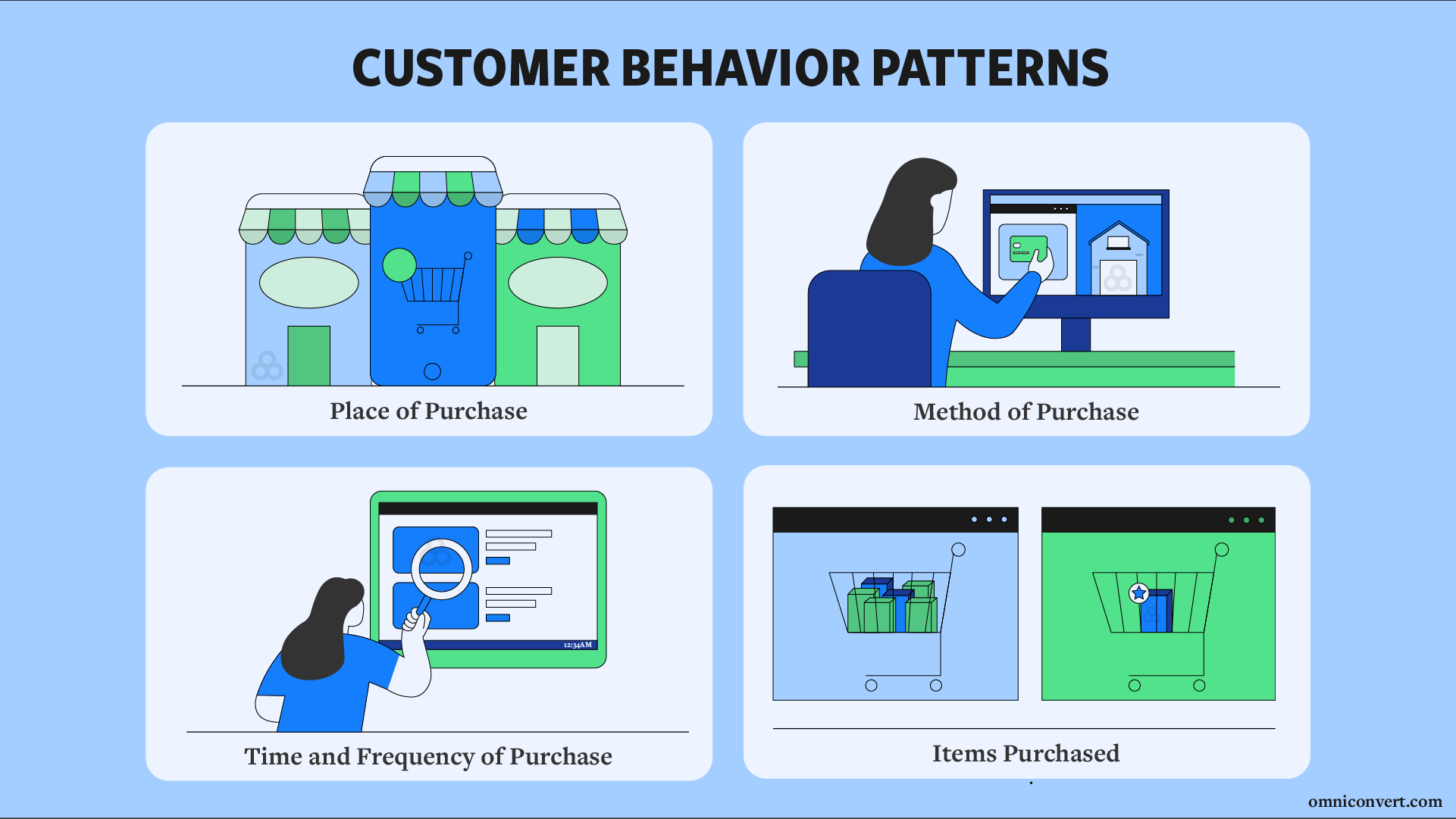
The simplest method is observation.
Pay attention to:
- Items customers ask for repeatedly
- Products sold multiple times a day
- Items that finish quickly
Ask yourself:
- “Which product finishes first?”
- “Which item do customers ask for even if it’s out of stock?”
This gives you a basic understanding—but observation alone is not enough.
2. Track Which Products Need Frequent Restocking
Products that need restocking often are usually top sellers.
Simple signs:
- You reorder them every week
- Suppliers bring the same item again and again
- Shelf looks empty frequently
If an item finishes fast, it’s clearly in demand.
3. Compare Sales Volume, Not Just Price
Many shop owners think expensive items sell the most—that’s not always true.
Example:
- One ₹500 item sold once
- Five ₹50 items sold daily
Which one truly sells more?
👉 Volume matters more than price when identifying best sellers.
4. Use a Simple Sales Record (Even Basic Works)
If you don’t track sales, everything becomes guesswork.
At minimum, maintain:
- Daily item-wise sales list
- Weekly review of quantities sold
Even a simple notebook can help—but manual tracking becomes difficult as sales increase.
5. Identify Repeat Purchase Items
Best-selling products usually:
- Are daily-use items
- Get repeat customers
- Are essentials, not optional
Examples:
- Grocery staples
- Toiletries
- Snacks
- Mobile accessories
- Frequently used medicines
Products with repeat demand are always strong sellers.
6. Check Which Products Cause “Customer Disappointment”
One powerful signal:
“Item khatam ho gaya?”
If customers ask for the same item repeatedly and walk away when it’s unavailable—that item is definitely a strong seller.
Lost sales reveal hidden best-sellers.
7. Analyze Sales During Peak Hours
Peak hours reveal real demand.
During rush hours:
- Note which items are billed repeatedly
- See which products slow billing because they’re popular
Top-selling products appear again and again during busy times.
8. Stop Relying on Memory (Very Important)
Memory fails when:
- Sales increase
- Multiple staff handle billing
- Peak hours create pressure
What feels like a “top-selling item” may not always be true.
That’s why many shop owners quietly shift to sales-linked systems where product sales are tracked automatically.
9. Use Billing Data to Identify Top Sellers (Smart Way)
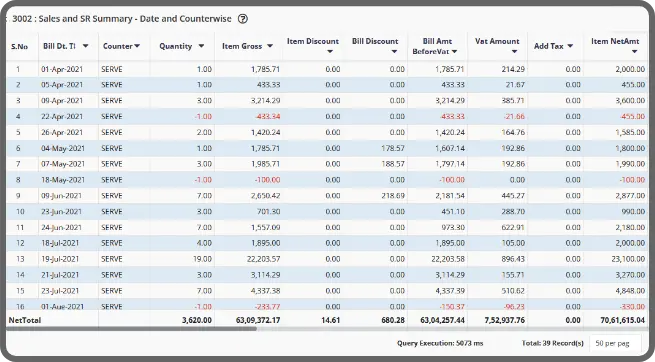
The easiest and most accurate method is using billing-based sales data.
When billing and sales are connected:
- Each sold product is recorded
- Quantities sold are tracked
- Fast-moving items are clearly visible
Lightweight POS systems like Sellbii POS help small shop owners:
- See item-wise sales reports
- Identify fast- and slow-moving products
- Avoid manual calculations
- Make stocking decisions confidently
This doesn’t require advanced analysis—it simply shows what sells the most clearly.
Insight: Shops that know their best sellers never overstock wrong items.
10. Review Weekly and Monthly Sales Trends
One-day sales don’t show the full picture.
Instead:
- Review weekly best sellers
- Compare monthly sales trends
- Identify seasonal demand
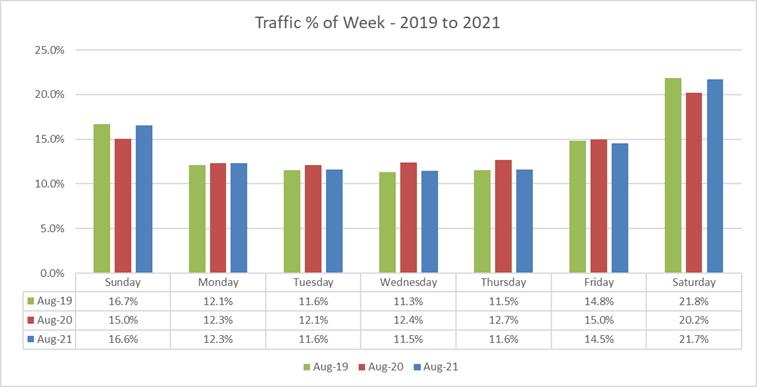
Some products sell more:
- On weekends
- During festivals
- In certain months
Trends help you prepare in advance.
11. Optimize Shelf Space Based on Best Sellers
Once you know your top-selling products:
- Place them at eye level
- Keep them near billing counter
- Avoid hiding them behind slow stock
Shelf placement alone can increase sales of fast-moving items.
12. Remove or Reduce Slow-Moving Products
Knowing what sells most also tells you what doesn’t sell.
Reduce or remove:
- Products untouched for months
- Items with poor demand
- Old, dead stock
This frees cash and shelf space for better-performing items.
How Indian Small Shops Can Identify Best Sellers Easily
In India:
- Sales volume is high
- Margins are small
- Storage space is limited
Indian shop owners succeed when they:
- Focus on fast-moving items
- Avoid overbuying slow stock
- Use simple data instead of memory
Clarity always beats guesswork.
Simple Best-Seller Identification Checklist ✅
- ✔ Items that finish fastest
- ✔ Items reordered frequently
- ✔ Items sold daily
- ✔ Items customers demand repeatedly
- ✔ Items shown as top-selling in sales data
If a product matches 3 or more—it’s a best seller.
Final Thoughts
Knowing which products sell the most is not about experience alone—it’s about visibility and clarity. When you clearly know what sells, stock decisions become easy, profits increase naturally, and business feels under control.
Remember:
📦 Best sellers drive cash flow
📊 Data removes confusion
🏪 Smart shops stock what sells
Once you start tracking what truly moves, your shop will never feel confused again.