
Manual Billing vs Digital Billing: What’s Better for Shops?
Manual Billing vs Digital Billing: What’s Better for Shops?
Billing is one of the most important daily activities in any shop. Whether you run a kirana store, retail shop, pharmacy, salon, café, or small showroom, the way you bill customers directly affects speed, trust, and shop image.
Many shop owners still rely on manual billing, while others have shifted to digital billing systems. So the big question is:
👉 Manual Billing vs Digital Billing – what’s better for shops today?
This detailed guide compares both methods clearly, practically, and especially from the point of view of small and medium shops in India.
Table of Contents
What Is Manual Billing?
Manual billing usually means:
- Handwritten bills
- Calculator-based total calculation
- Physical bill books
- Manual cash tracking
This system has been used for decades and is still common in many small shops.
What Is Digital Billing?
Digital billing uses:
- POS billing software
- Computer or tablet-based billing
- Automatic calculations
- Digital sales records
Digital billing focuses on speed, accuracy, and professionalism.
Manual Billing vs Digital Billing: Key Comparison
1. Speed of Billing
Manual Billing
- Slower during rush hours
- Repeated calculations
- Queues build quickly
Digital Billing
- Bills generated in seconds
- Auto-calculated totals
- Faster checkout
✔ Winner: Digital Billing
Speed matters the most during peak business hours.
2. Accuracy and Errors
Manual Billing
- High chance of calculation mistakes
- Price mismatch issues
- Frequent rechecking
Digital Billing
- Automatic calculations
- Fixed pricing
- Minimal errors
✔ Winner: Digital Billing
Fewer mistakes = fewer customer arguments.
3. Customer Trust and Shop Image
Manual Billing
- Looks outdated
- Customers may doubt calculations
- Weak professional image
Digital Billing
- Clean, readable bills
- Modern and professional look
- Improves customer confidence
✔ Winner: Digital Billing
Billing is where customers judge your seriousness as a business.
4. Handling Peak Business Hours
Manual Billing
- Stressful during rush
- Slows down staff
- Increases chaos
Digital Billing
- Smooth flow even during rush
- Faster billing reduces queues
- Staff stay calm
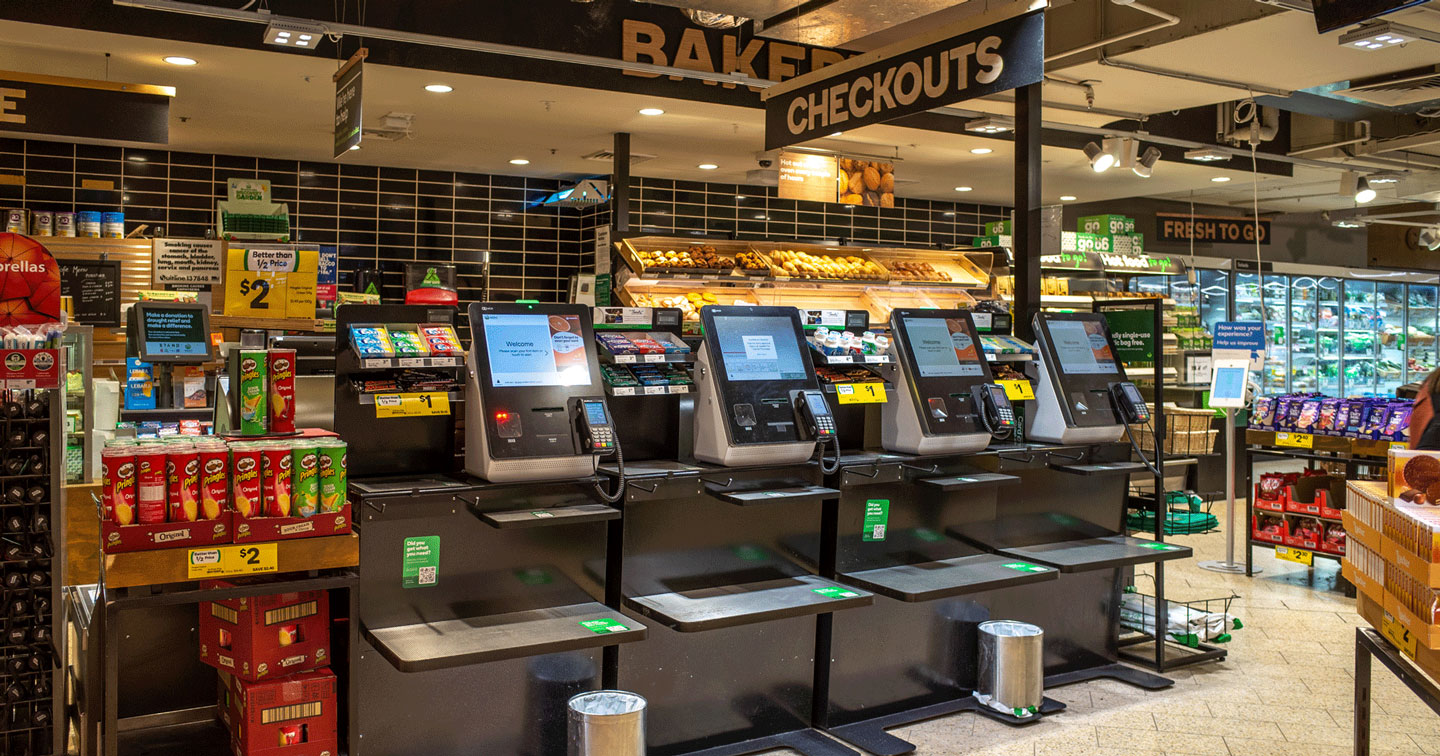
✔ Winner: Digital Billing
5. Record Keeping and Reports
Manual Billing
- Bills can get lost
- No daily sales summary
- Hard to track profits
Digital Billing
- Automatic daily, weekly reports
- Clear sales visibility
- Easier accounting
✔ Winner: Digital Billing
This helps in smarter business decisions.
6. Inventory and Stock Tracking
Manual Billing
- Stock tracked by memory
- High risk of overstock or shortage
Digital Billing
- Item-wise tracking
- Helps plan restocking
- Reduces dead stock
✔ Winner: Digital Billing
7. Payment Options
Manual Billing
- Mostly cash-based
- Payment confusion during rush
Digital Billing
- Supports UPI, cash, and card
- Faster payments
- Less cash handling
✔ Winner: Digital Billing
Modern customers expect digital payment support.
8. Cost Comparison
Manual Billing
- Low visible cost
- Hidden losses due to mistakes
- Wasted time
Digital Billing
- Affordable subscription or setup
- Saves time and reduces losses
- Better long-term value
✔ Winner: Digital Billing
Digital billing is an investment, not an expense.
A Practical Digital Billing Approach for Small Shops
Many shop owners hesitate to shift from manual to digital billing because they think it will be expensive or complicated. In reality, most small shops don’t need advanced or bulky systems—they just need billing that is fast, accurate, and easy to manage.
This is why many shopkeepers quietly move toward lightweight, affordable POS billing solutions that handle everyday shop needs without complexity.
Tools like Sellbii POS are designed keeping small and medium Indian shops in mind. Such systems help shop owners:
- Replace handwritten bills with clean, professional invoices
- Speed up checkout during rush hours
- Accept UPI, cash, and card payments smoothly
- Automatically maintain daily sales records
The biggest benefit is not just digital billing—it’s peace of mind. When billing becomes organized, shop owners spend less time fixing mistakes and more time focusing on customers and growth.
Insight: Shops that shift to simple digital billing often notice better customer trust and smoother peak-hour management—without changing anything else in the shop.
This kind of change doesn’t feel like a big upgrade, but customers notice it immediately.
Why This Works as Indirect Promotion
- No pricing talk
- No “buy now” language
- Problem–solution approach
- Education-first tone
- Fits naturally in a comparison blog
Is Manual Billing Completely Bad?
No. Manual billing may still work for:
- Very low-volume shops
- Temporary stalls
- Shops with 5–10 bills per day
But as soon as:
- Customer volume increases
- Multiple staff are involved
- Digital payments become common
Manual billing starts limiting growth.
Why Small Shops in India Are Moving to Digital Billing
Indian shopkeepers are adopting digital billing because:
- UPI usage is high
- Customers expect faster checkout
- Competition is increasing
- GST and record-keeping matter
Affordable digital billing tools now make the shift easier than ever.
A Practical Middle Path for Small Shops
Many small shops don’t need complex systems. They simply need:
- Fast billing
- Clear bills
- Easy reports
- Simple operation
That’s why many shop owners choose lightweight POS billing software instead of heavy setups.
Affordable options like Sellbii POS are designed keeping small and medium Indian shops in mind. Such systems quietly help shops:
- Replace manual billing without stress
- Speed up checkout during rush hours
- Track sales automatically
- Improve shop image professionally
This kind of transition allows shopkeepers to modernize without over-spending or technical headaches.
Manual Billing vs Digital Billing: Final Verdict
If your goal is:
- Faster billing
- Fewer mistakes
- Better shop image
- Happier customers
- Easier management
👉 Digital billing is clearly the better choice for most shops today.
Manual billing may save money in the short term, but digital billing saves time, trust, and long-term growth opportunities.
Final Thoughts
Billing is not just about collecting money—it reflects how serious and professional your shop is. In today’s competitive market, shops that adopt smarter billing methods stand out, grow faster, and operate with less stress.
Remember:
🧾 A clean bill builds trust.
⚡ Fast billing builds loyalty.
🏪 Digital billing builds a modern shop image.