
Tips to Reduce Chaos During Peak Business Hours
Tips to Reduce Chaos During Peak Business Hours
Peak business hours can make or break a shop’s reputation. When customers line up, phones ring, staff rush around, and billing slows down, even a well-running shop can slip into chaos. Successful shop owners don’t eliminate rush hours—but they manage them efficiently.
This guide shares proven, practical tips to reduce chaos during peak business hours, especially for small shops and Indian retail environments, where footfall and time pressure are high.
Table of Contents
Why Peak Hour Chaos Is a Serious Problem
During rush hours, chaos leads to:
- Long customer waiting times
- Billing mistakes
- Staff frustration
- Lost sales
- Poor customer experience
If customers repeatedly face confusion during busy hours, they simply won’t return—even if your prices are good.
👉 Managing peak hours is not optional; it’s essential for growth.
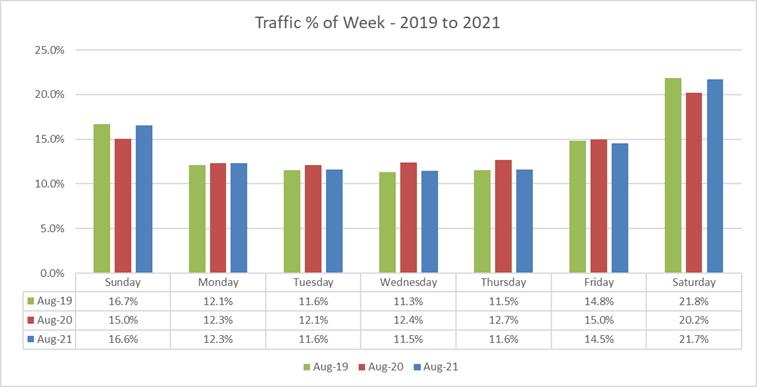
Understand Your Peak Business Hours First
You can’t manage what you don’t understand.
Every shop has different rush times:
- Morning hours (daily-use shops)
- Lunch breaks
- Evening hours
- Weekends and holidays
Action step:
For 7 days, note down:
- Busiest hours
- Customer count
- Common problems
This data becomes the base of all improvements.
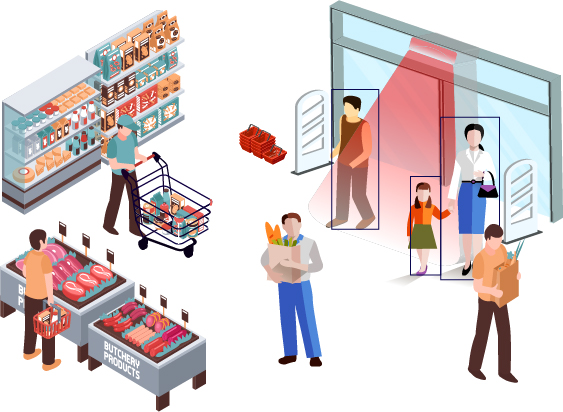
1. Simplify Your Shop Layout Before Rush Hours
Complex layouts increase confusion when the shop is full.
To reduce chaos:
- Keep fast-selling items near the counter
- Maintain clear walking paths
- Avoid piling products on the floor
- Use vertical shelving instead of spreading sideways
A simple layout ensures customers and staff move easily—even during crowding.

2. Prepare Everything Before Peak Time
Successful shopkeepers prepare before customers arrive.
Do this 30–45 minutes before peak hours:
- Refill fast-moving products
- Arrange change cash
- Check POS or billing system
- Assign staff roles
Preparation reduces 50% of peak-hour stress.
3. Assign Clear Roles to Staff
Chaos increases when everyone tries to do everything.
Best practice:
- One person handles billing
- One handles product fetching
- One manages packaging or queue
Clear responsibility avoids confusion and improves speed.
4. Speed Up Billing to Control the Crowd
Billing is where most chaos begins.
Slow billing causes:
- Long queues
- Customer irritation
- Argument at the counter
That’s why many shop owners now use organized digital billing systems. Affordable tools like Sellbii POS help reduce chaos by:
- Generating bills quickly
- Accepting UPI, card, and cash
- Auto-calculating totals
- Showing clear bill details
When billing is fast, the entire shop flow improves naturally.
5. Use Queue Discipline (Even in Small Shops)
A simple queue system works wonders.
Low-cost ideas:
- “Billing Here” signboard
- Rope or floor marking
- Verbal queue guidance by staff
Customers feel calmer when order is maintained—even during rush.
6. Reduce Decision-Making During Peak Hours
Peak hours are not the time for:
- Price changes
- Stock rearranging
- Supplier calls
Successful shopkeepers do only selling and billing during rush hours. All decisions and planning are moved to slow hours.
7. Limit Unnecessary Conversations
Excess talk slows everything.
During peak hours:
- Keep billing communication short
- Avoid casual chatting
- Answer only essential questions
Polite but quick communication increases speed without seeming rude.
8. Keep Payment Options Visible and Ready
Confusion around payments increases chaos.
To reduce this:
- Display UPI QR codes clearly
- Keep card machine charged
- Inform customers about accepted payment modes
When customers know how to pay, checkout becomes smoother.
9. Maintain a Clean and Uncluttered Counter
A cluttered counter increases mistakes.
During peak hours:
- Remove unnecessary items
- Keep only billing essentials
- Organize bills and receipts
A clean counter improves staff focus and speed.
10. Stock Fast-Moving Items Near Reach
Repeated movement wastes time.
Best practice:
- Identify top 10 fast-selling products
- Place them near billing counter
- Refill them before rush
This reduces movement and customer waiting time.
11. Train Staff for Peak Situations
Peak hour handling is a skill.
Train staff on:
- Quick billing process
- Common product locations
- Handling impatient customers
- Staying calm under pressure
Even basic training significantly reduces chaos.
12. Use Data to Improve Future Peak Hours
After peak hours, successful shopkeepers review:
- Sales volume
- Common delays
- Customer complaints
Using organized billing data helps identify:
- Slow periods inside rush hours
- Best-selling items
- Staff efficiency
This leads to smarter planning over time.
A Small Change That Makes Peak Hours Much Easier to Handle
One common reason peak hours turn chaotic is not lack of staff or space—it’s slow and unorganized billing.
Successful shopkeepers reduce pressure during rush hours by making sure the billing process is:
- Fast
- Error-free
- Easy to operate
Instead of manual billing or complicated systems, many small shops now rely on simple, affordable POS billing tools that work smoothly even when customer flow is high.
Solutions like Sellbii POS are built keeping small and medium Indian shops in mind. They quietly support shop operations by:
- Speeding up billing during peak hours
- Handling UPI, cash, and card payments seamlessly
- Automatically calculating totals (no rechecking)
- Reducing end-of-day confusion
When billing becomes effortless, staff stay calm, queues move faster, and customers leave with a better experience—without the shop owner having to constantly intervene.
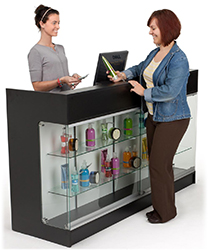
Insight: Shops that control billing speed often control peak-hour chaos better than shops that simply add more staff.
This kind of behind-the-scenes improvement doesn’t look like marketing—but customers notice it instantly.
Why This Fits Indirect Promotion Perfectly
- No hard selling
- Value-first explanation
- Problem–solution approach
- Matches real shopkeeper pain points
- Builds curiosity instead of pressure
How Indian Shopkeepers Can Reduce Peak Hour Chaos
In India, shopkeepers face:
- Mixed cash and digital payments
- Heavy evening footfall
- Limited staff
Indian shops manage chaos by:
- Using UPI-first billing
- Keeping compact layouts
- Using affordable POS tools
- Following strict routines
Affordable technology combined with discipline makes a big difference.
Peak Hour Chaos Reduction Checklist ✅
Before Peak Hours
- Refill fast-selling items
- Check billing & payments
- Assign staff roles
During Peak Hours
- Focus only on customers
- Maintain queue discipline
- Keep billing fast
After Peak Hours
- Review delays
- Clean and reorganize
- Note improvements
Final Thoughts
Peak business hours don’t have to feel stressful. With proper preparation, role clarity, fast billing, and simple systems, even the busiest shop can operate smoothly. Reducing chaos improves customer satisfaction, staff morale, and daily sales—without needing extra investment.
Remember:
⏱️ Chaos wastes time. Systems save time.
🏪 A calm shop during rush hours always wins customer trust.